
Words vs Evidence. Are their actions matching their promises?
They say they’ve changed. They promise things will be
different. But how do you know whether their actions
actually support their words?
This free toolkit helps you look beyond apologies,
recognise meaningful accountability and start trusting
what the evidence is telling you.
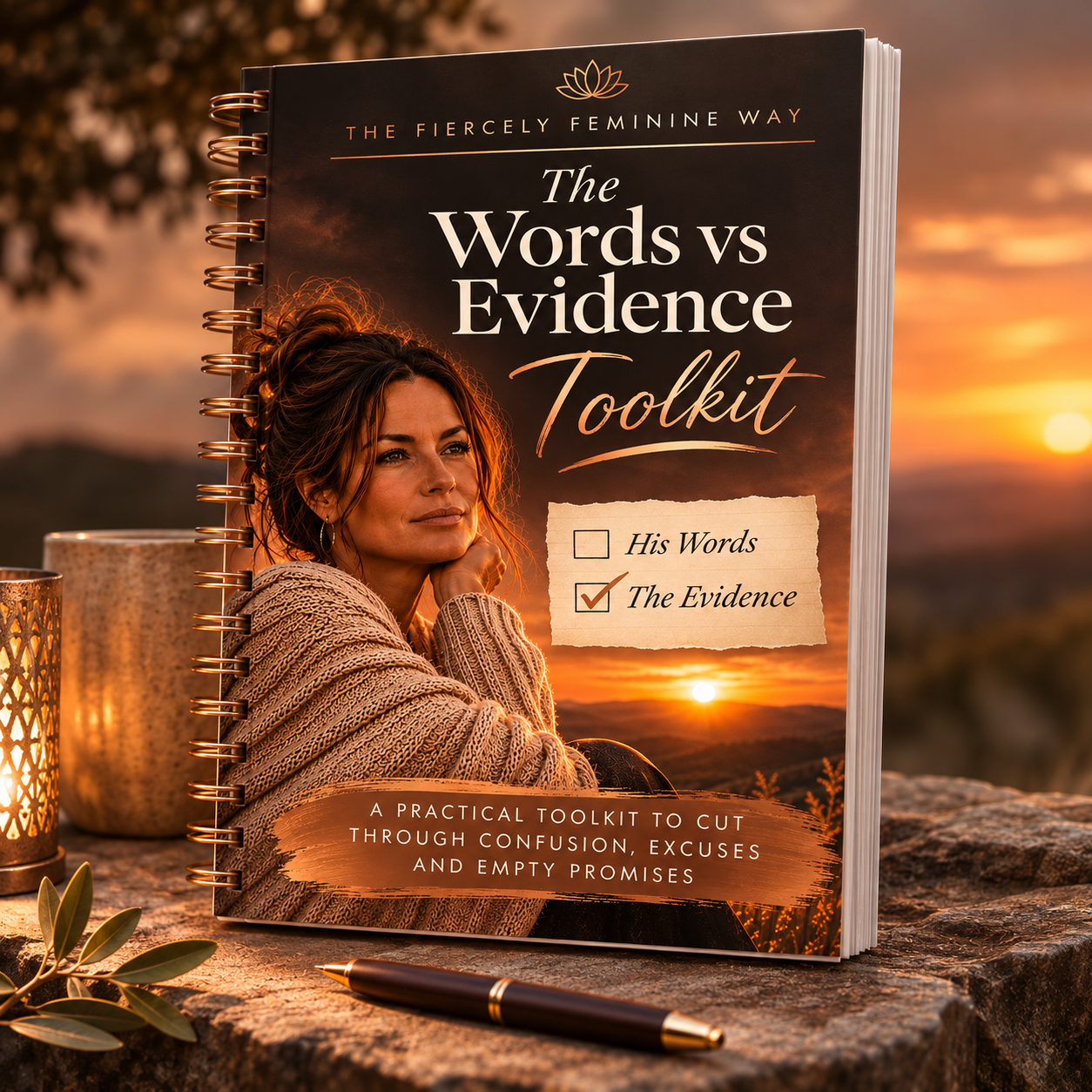
When their words say one thing, but their behaviour tells another story.
After betrayal, it’s easy to become caught in a cycle of listening, questioning, analysing and trying to work out whether you can trust what you’re being told.
Perhaps they’ve apologised. Maybe they’ve promised to change. They might tell you that you’re overthinking, that you need to stop bringing up the past or that you should give them a chance to prove themselves.
And perhaps you desperately want to believe them. You want the relationship you thought you had. You want to stop feeling on edge. You want to move forward.
You cannot rebuild trust through promises alone. And you shouldn’t have to ignore what you’re seeing in order to keep the peace.
You deserve the space to look at the situation honestly, without being pressured to forgive, forget, stay or leave before you’re ready.
Words can sound convincing. Evidence gives you something real to assess.
An apology can be a starting point. A promise can express an intention. But neither one, on its own, demonstrates lasting change.
“I’ve changed. You can trust me.”
What are they actually doing differently? Are they taking responsibility without excuses, defensiveness or blame?
Consistent accountability
They take responsibility for their choices, answer reasonable questions honestly and demonstrate change through their behaviour.
“You need to stop bringing it up.”
Are they making room for the impact of what happened, or are they expecting you to move on before trust has been rebuilt?
Patience and transparency
They understand that trust takes time, remain open to reasonable conversations and don’t punish you for needing clarity.
“It will never happen again.”
Is there any meaningful change behind that statement, or are you being asked to accept reassurance without seeing anything different?
Behaviour that stays consistent
Their choices remain aligned with their promises over time, including when nobody is checking or asking questions.
Stop trying to read between the lines. Start looking at what’s in front of you.
The Words vs Evidence Toolkit is designed to help you step back from the emotional noise and start assessing what is actually happening in your relationship.
It isn’t about finding reasons to stay or reasons to leave. It’s about giving yourself the opportunity to think more clearly and recognise what genuine accountability and meaningful change need to look like.
Inside, you’ll start exploring:
- The difference between an apology and taking responsibility.
- Why promises alone are not proof of change.
- What consistent behaviour and accountability look like.
- Whether transparency is being demonstrated or avoided.
- What you need in order to feel respected and emotionally secure.
- How to begin trusting your own observations and judgement again.
You deserve clarity. Not another empty promise.
Enter your details below to request your free toolkit. Confirm your email address when prompted so we can complete your request.
Your details are handled in accordance with our Privacy Policy . You can unsubscribe from marketing emails at any time.
You don’t have to decide today whether to stay or leave.
You don’t need to have all the answers. You don’t need to defend your feelings or convince anyone that what happened hurt you. And you don’t have to rush into a decision just because someone else is tired of waiting.
But you can start paying attention to what is actually happening. You can recognise patterns, question inconsistencies and become clearer about what you need.
Stop questioning yourself. Start looking at the evidence.
You deserve more than promises. You deserve the clarity to recognise what is happening and the confidence to decide what comes next.
GET YOUR FREE WORDS VS EVIDENCE TOOLKIT